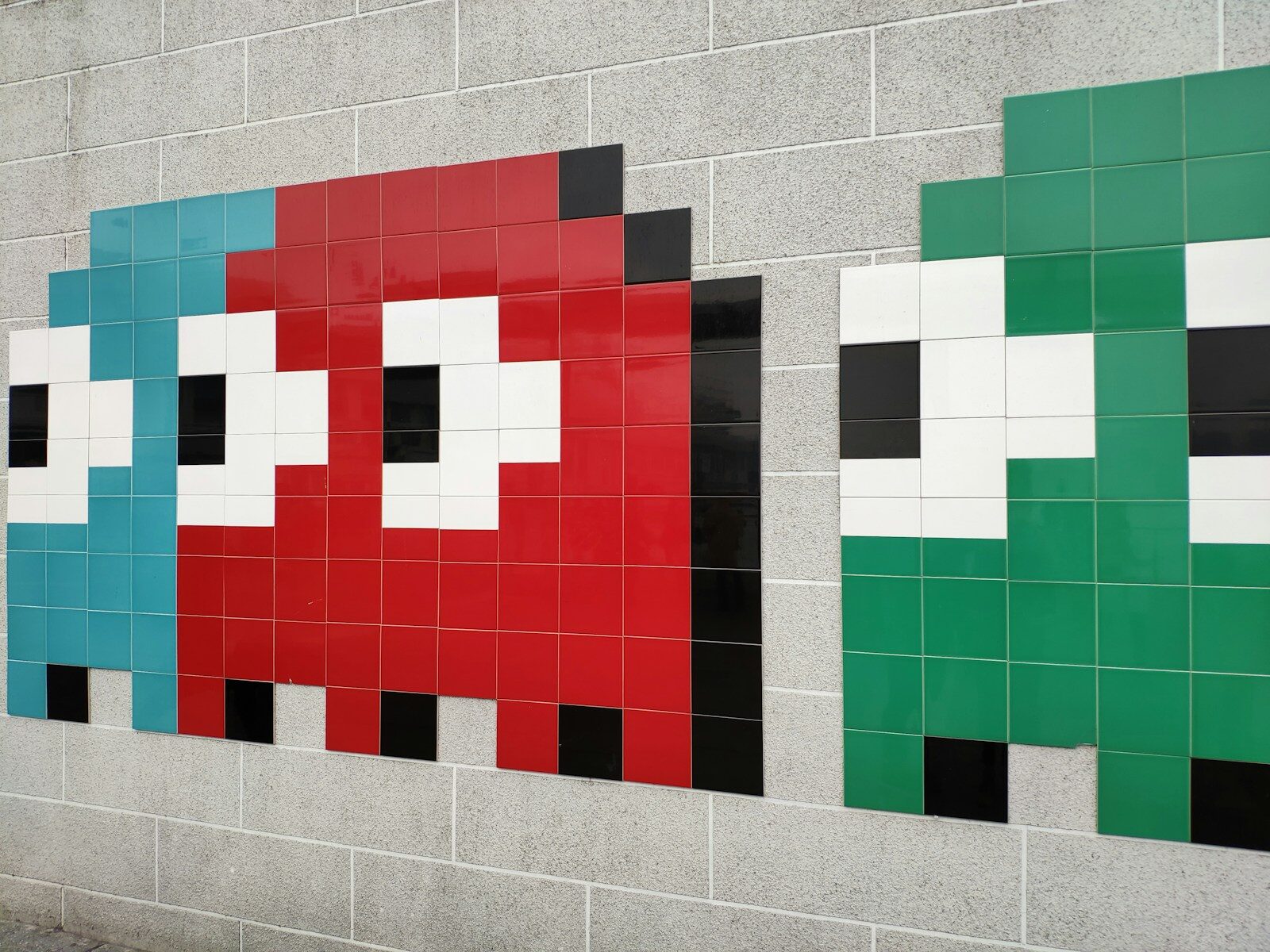
When CryptoPunks first appeared on the Ethereum blockchain in 2017, almost no one understood what they were looking at. Tiny pixelated portraits, given away for free, somehow ended up redefining what digital ownership could mean. Years later, after waves of hype, crashes, and new collections rising and falling, the original Punks remain one of the most recognizable symbols of the entire NFT space.
Their continued relevance is not just a nostalgic accident. Major auction houses such as Sotheby’s and Christie’s have repeatedly featured CryptoPunks in their digital art sales, often pricing them alongside traditional masterpieces. Even during the broader market correction that followed the 2021 boom, blue-chip Punks managed to hold their ground better than most newer collections, signaling something deeper than speculation.
Part of the answer lies in scarcity and provenance. With only ten thousand Punks in existence and a transparent on-chain history, each one carries a verifiable story. Collectors increasingly treat them the way traditional art collectors treat early Warhol prints: not necessarily because they are beautiful, but because they were first.
The acquisition of CryptoPunks by Yuga Labs, the team behind Bored Ape Yacht Club, also reshaped expectations. Suddenly the IP behind the Punks became part of a larger metaverse strategy, with collaborations stretching into fashion, music, and gaming. Owners gained more flexible commercial rights, encouraging experimentation rather than passive holding.
Looking forward, the role of iconic collectibles like CryptoPunks may shift again. As cultural institutions and museums begin to acquire NFTs for permanent collections, these early pieces are quietly transitioning from speculative assets into recognized artifacts of internet history. Whether prices rise or fall in the short term, their place in the story of digital culture seems firmly secured.