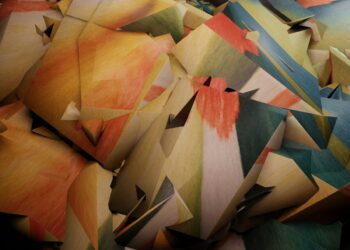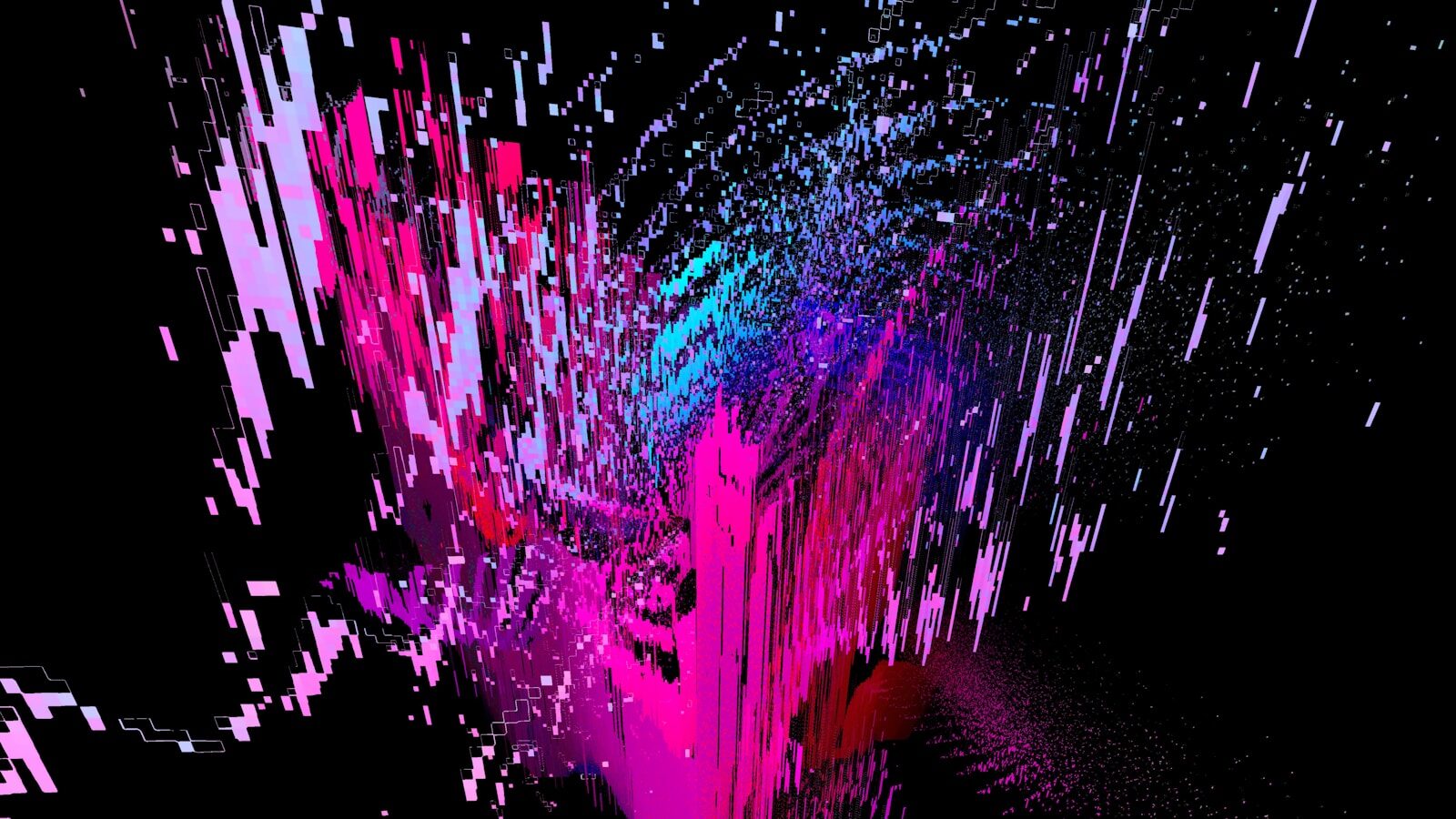
Generative art has existed for decades, but it was the launch of Art Blocks in 2020 that pushed the form into the cultural mainstream. By embedding the algorithms that produce each artwork directly on the Ethereum blockchain, the platform turned every mint into a moment of co-creation between artist, code, and collector. Years later, that model has reshaped how digital art is bought, displayed, and remembered.
The flagship Curated series in particular established a high standard. Works by Tyler Hobbs, Dmitri Cherniak, Snowfro, and others sold for prices comparable to traditional fine art and were celebrated by museums, including the Centre Pompidou and the LACMA. The pieces are not stored as static JPEGs but as deterministic outputs of code, which means each one can be regenerated faithfully decades from now if the underlying contract still exists.
For collectors, this raises new questions about ownership. Holding an Art Blocks piece is closer to holding a script than a finished image, and that has practical implications for display, conservation, and resale. Galleries have responded by experimenting with custom screens, dedicated rendering hardware, and hybrid exhibitions that pair physical prints with the original on-chain script.
Competitors and complementary platforms have emerged from this ecosystem. fxhash on Tezos pioneered low-cost open editions, while Bright Moments turned generative art drops into ticketed in-person events held in cities around the world. Together they have created a more diverse landscape where artists can choose how their work is distributed and experienced.
The longer-term significance of Art Blocks is cultural rather than purely financial. By making code-driven art widely collectible, the project has helped normalize the idea that authorship can include the rules of a system rather than only the final image. That conceptual shift, more than any specific sale, may be the legacy that defines this corner of the NFT world.