While much of the attention in NFT gaming has focused on AAA-scale ambitions, a parallel trend has been quietly rebuilding the casual side of the space. Browser-based titles like Pixels, mobile-friendly experiences on Ronin, and lightweight social games have attracted millions of players, often without requiring deep crypto knowledge from the audience.
Pixels, originally a sandbox farming and exploration game on Polygon before migrating to Ronin, has become a poster child for this resurgence. Its accessible art style and short play sessions are a deliberate counterpoint to the marathon grinds that defined earlier blockchain games. Players can drop in for a few minutes, complete simple tasks, and accumulate items that can be sold or used across the broader Pixels ecosystem.
The Ronin network itself, originally built for Axie Infinity, has expanded into a broader gaming platform. Sky Mavis has invested in onboarding tools, partnerships with new studios, and infrastructure that allows games to share assets and identity. The result is a more diverse catalog than Ronin had only two years ago, including titles in genres ranging from RPGs to puzzle and racing games.
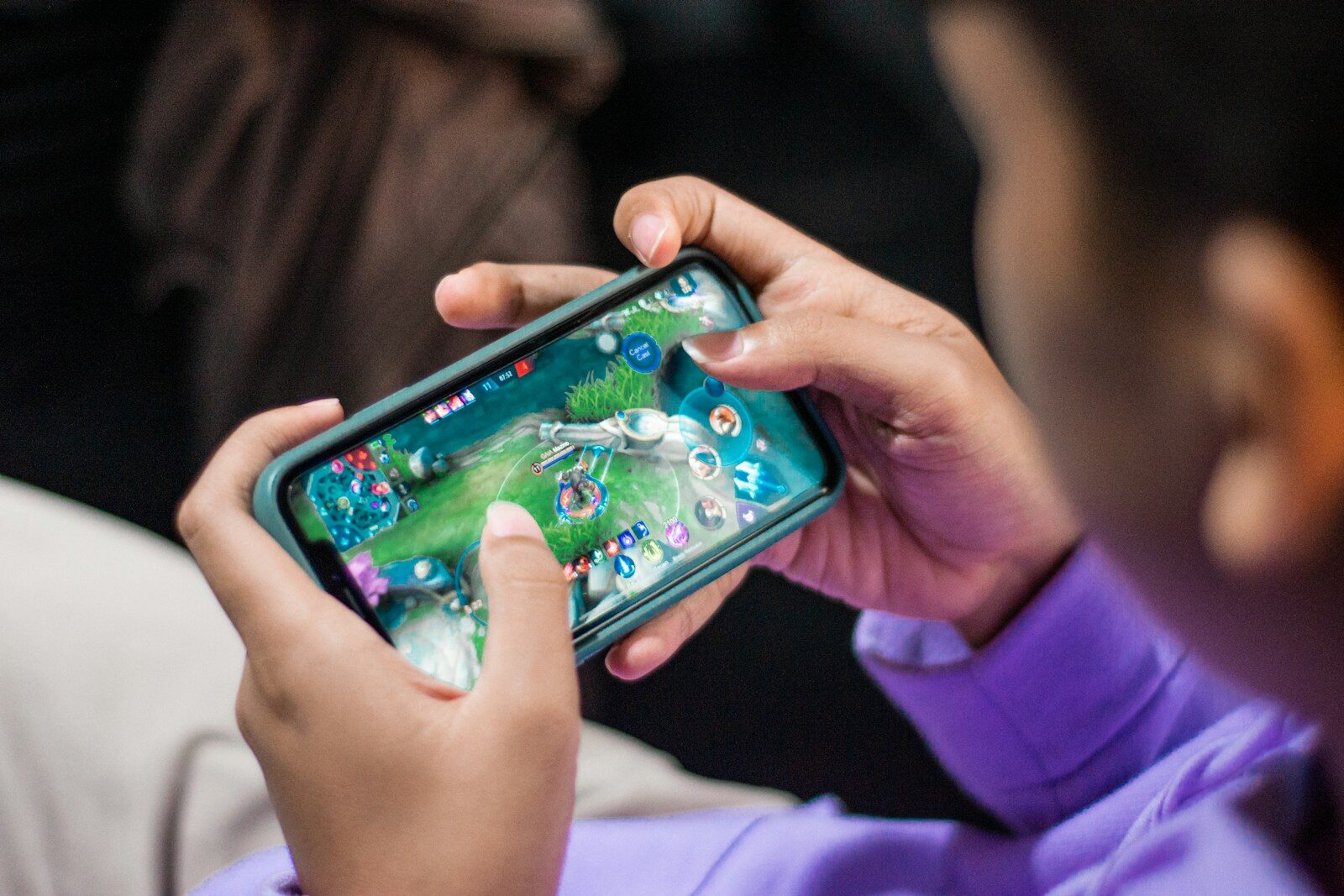
Mobile-first design has been particularly important in this revival. Many of the most successful casual NFT games no longer require players to install browser extensions or manage seed phrases manually. Instead, custodial wallets and social logins handle the technical details, with on-chain mechanics surfacing only when players actively want to trade or showcase their items.
This casual layer matters for the wider NFT ecosystem because it brings in players who might otherwise never engage with blockchain content. By making participation low-friction and the financial stakes optional, projects like Pixels and the broader Ronin ecosystem are quietly normalizing NFTs as a feature in everyday gaming. The bigger headlines may come from AAA experiments, but the durable adoption may end up coming from here.