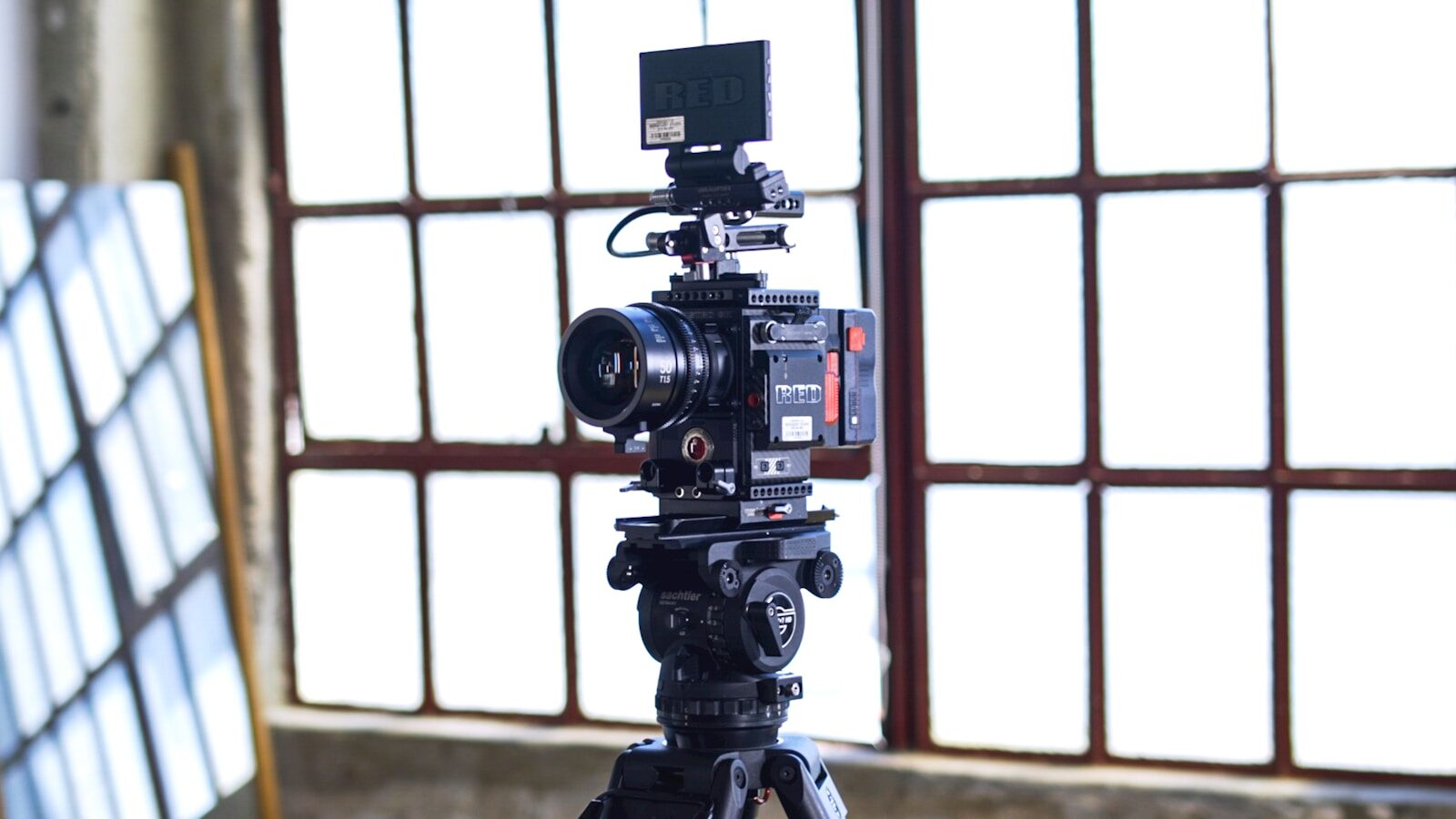
Hollywood may not be talking about NFTs at every awards ceremony, but a growing number of independent filmmakers are quietly using them to finance projects that would otherwise struggle to get made. The mechanics differ from one project to the next, yet the underlying logic is consistent: NFTs let directors raise money directly from audiences who are willing to support work they care about, often in exchange for credit, perks, or revenue shares.
Platforms such as Decentralized Pictures, Mintbase, and Glass Protocol have helped formalize this model. Filmmakers can offer collectible posters, digital scripts, or token-gated rough cuts, and audiences receive verifiable links to the production. In some cases the NFTs include profit-sharing rights structured under appropriate securities frameworks, blurring the line between collector and producer.
Notable experiments have emerged across genres. Documentary teams have used NFT campaigns to fund festival travel and post-production costs, while horror and sci-fi filmmakers have launched limited mints tied to scenes or character art. The amounts raised are typically modest by Hollywood standards but transformative for the kinds of small productions that depend on grants, crowdfunding, or personal credit.
The audience experience has also shifted. Backers of NFT-funded films often gain access to behind-the-scenes content, private screenings, and direct conversations with the creative team. For some filmmakers this community-building aspect has become as valuable as the funding itself, providing a built-in audience when the film eventually releases.
Skeptics rightly note that NFT financing is not a silver bullet. Marketing, distribution, and rights management remain complicated, and audiences can grow disillusioned if a project drags or delivers something different from what was promised. Still, in 2026 it is increasingly clear that NFTs have earned a permanent place in the indie film toolkit, alongside grants, traditional crowdfunding, and tax incentives.