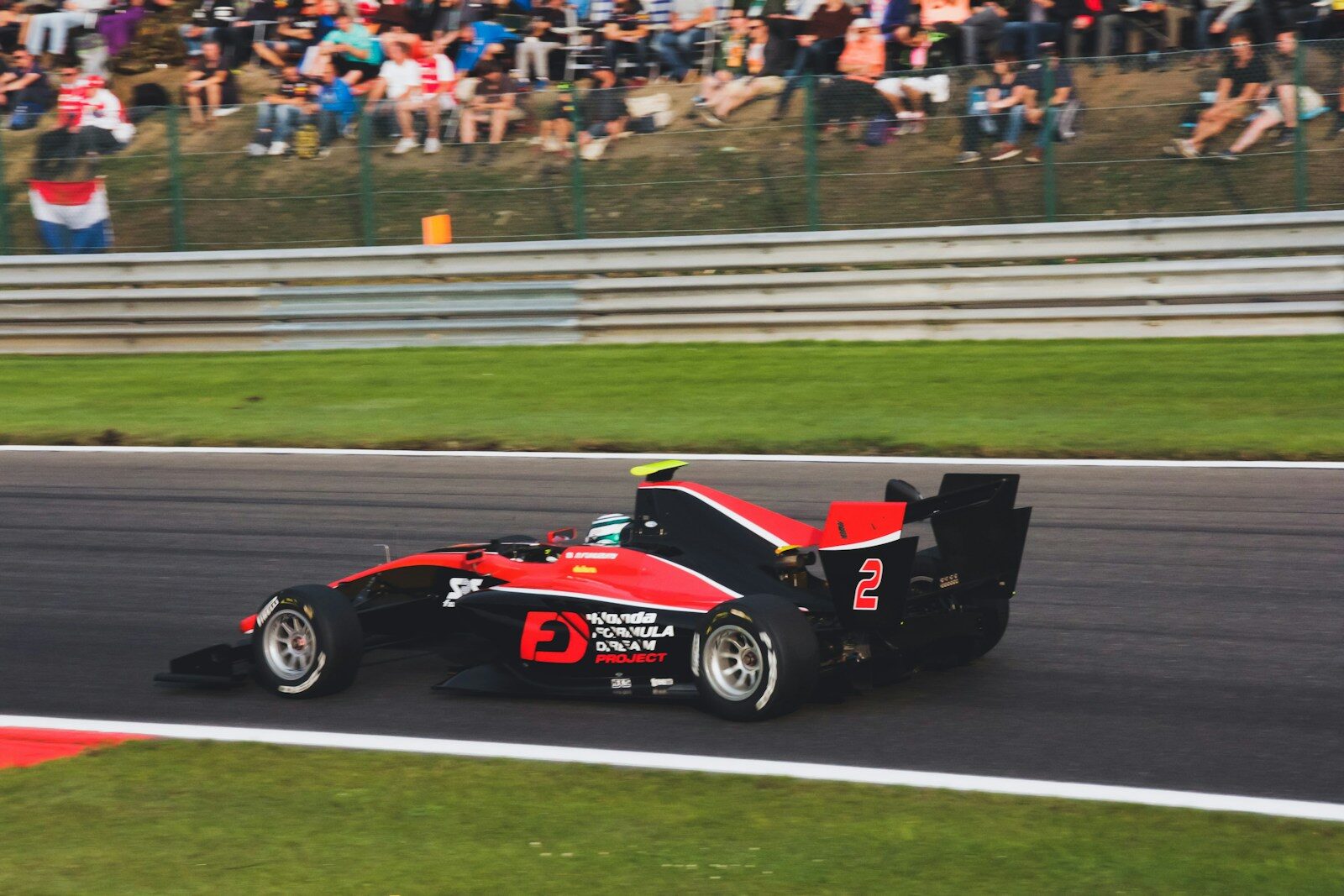
The history of NFT-based sports collectibles is short, but already full of lessons. Projects like F1 Delta Time captured the imagination of fans early on with high-priced car NFTs and licensed gameplay, only to wind down when contractual and operational realities caught up. Football clubs, meanwhile, have moved more cautiously through fan tokens and limited-run digital collectibles, building slower but steadier presences in the space.
F1 Delta Time’s closure remains a useful warning. The project showed how powerful official licensing can be in attracting collectors, but also how dependent NFT initiatives are on the long-term cooperation of rights holders. When licensing terms change or strategies shift, even popular projects can disappear, leaving holders with assets whose utility evaporates. Subsequent racing-focused projects have studied this episode carefully.
European football clubs have taken a different approach. Through partnerships with platforms like Socios and Chiliz, clubs offer fan tokens that grant voting rights on minor decisions, access to exclusive content, and perks at games. Major franchises in the Premier League, La Liga, and Serie A have used these tokens to build digital relationships with fans far from their home cities, an audience that traditional ticketing alone cannot reach.
Beyond fan tokens, clubs have started experimenting with digital memorabilia. NFTs commemorating particular matches, jerseys, or historical moments are sold through official channels, often as limited drops tied to anniversaries or finals. The pricing tends to be deliberately accessible, signaling that these collectibles are aimed at fans rather than financial speculators.
The broader picture suggests that sports NFTs are settling into a more sustainable rhythm. Projects that survive the next several years will probably look less like F1 Delta Time’s one-off bets and more like an evolving stack of licensed collectibles, fan tokens, and interactive experiences offered consistently over time. The exciting headlines may be smaller, but the underlying business is finally starting to look like a real industry rather than a speculative experiment.