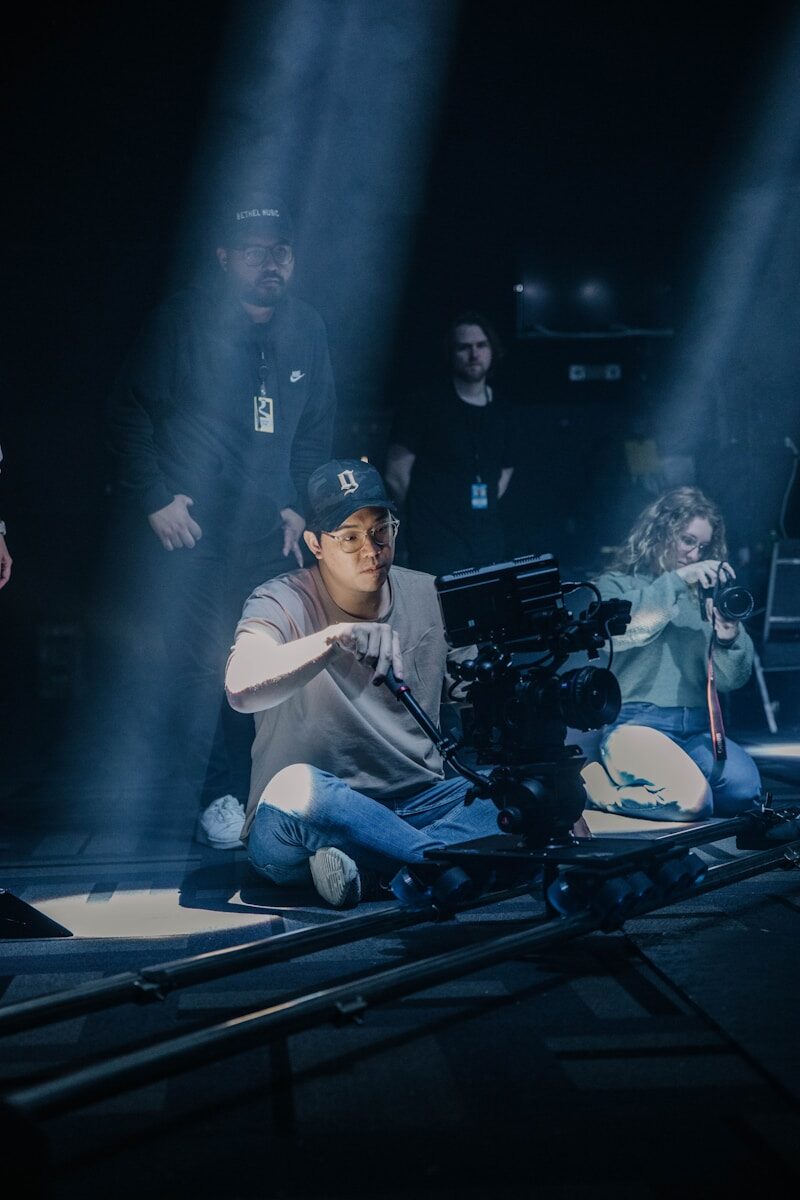
The phrase “decentralized storytelling” has been used loosely for years, but it has begun to take on more concrete meaning in the world of NFT-powered film production. Beyond simple crowdfunding, several teams are using on-chain coordination to assemble talent, allocate budgets, and even shape narrative decisions in ways that would have been impossible inside traditional studio structures.
Decentralized autonomous organizations focused on film, sometimes called film DAOs, have led much of this experimentation. Members pool capital, vote on which projects to support, and in some cases participate directly in casting choices or editorial decisions. While this can sound chaotic in theory, in practice many film DAOs delegate creative authority to producers and directors, using on-chain governance for budgeting and revenue distribution rather than micromanagement.
NFT-based participation has also created interesting incentives for cast and crew. Some productions issue tokens that entitle holders to a share of future revenues, allowing actors and technicians to align their financial interest with the long-term success of the project rather than only an upfront fee. For independent productions with limited cash, this approach has helped attract talented collaborators who might otherwise pass.
Audience involvement is another distinguishing feature. Decentralized productions often release scripts, concept art, or rough cuts to token holders for feedback. This is not the same as turning storytelling over to a crowd, but it does create a continuous conversation that informs choices about pacing, character arcs, and marketing. The tone of these communities tends to be more collaborative than reactive social media discourse around mainstream releases.
Skeptics raise legitimate concerns about coordination costs, regulatory uncertainty, and the risk that decentralized governance becomes a marketing label rather than a real practice. Still, even modest experiments in this space are reshaping assumptions about who gets to make films and how. Decentralized storytelling may not replace the studio system, but it is steadily expanding the toolkit available to creators outside it.